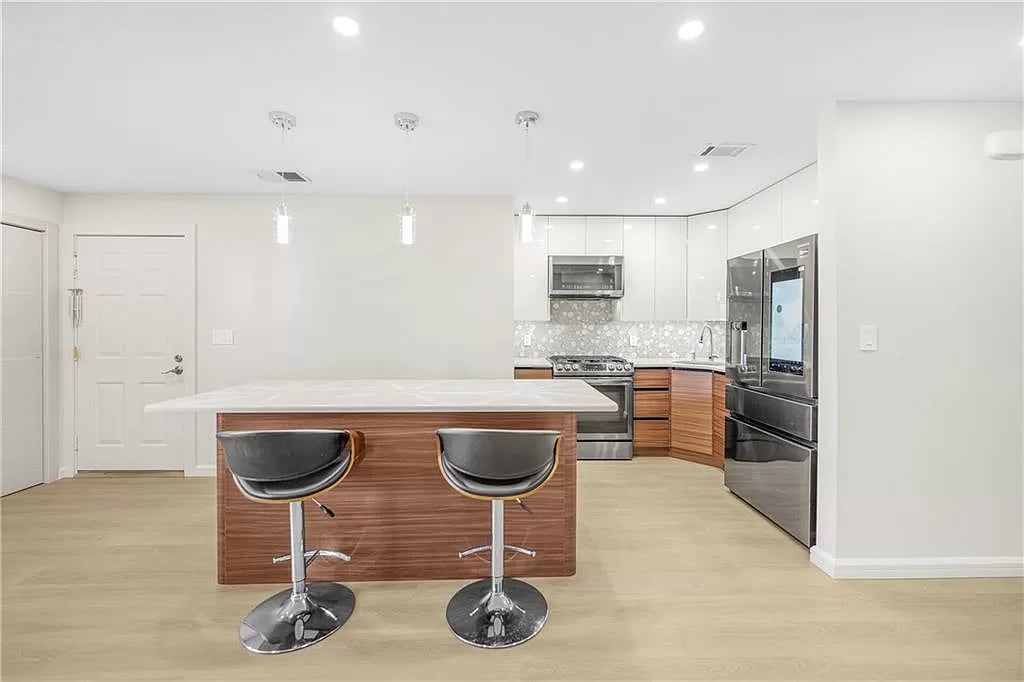
When you're selling your home, buyers aren’t just looking at square footage and layout. They’re reacting emotionally within seconds.
And sometimes… it’s the small things that quietly cost you thousands.
1️⃣ Smells: The Silent Deal Killer
Pet odors. Old food. Smoke. Musty air.
Buyers may not always say it out loud — but smell is one of the strongest emotional triggers. If your home smells “off,” buyers immediately assume poor maintenance.
Fix it:
-
Deep clean carpets and upholstery
-
Air out the home daily
-
Use neutral, subtle scents (nothing overpowering)
-
Consider professional odor treatment if needed
2️⃣ Cluttered Surfaces
Counters, tables, floors covered in “life” make spaces feel smaller and chaotic.
Buyers want to imagine their own life in the space — not yours.
Fix it:
-
Clear countertops completely
-
Remove extra furniture
-
Pack away 30–40% of visible items
Less is more. Always.
3️⃣ Dirty Windows Blocking Natural Light
Natural light sells homes. Dirty windows block it — and instantly dull a space.
Fix it:
-
Professionally clean windows inside and out
-
Remove heavy or dark window treatments
-
Let the light in before every showing
4️⃣ Low Lighting or Burnt-Out Bulbs
Dim lighting makes rooms feel smaller and less inviting.
Fix it:
-
Replace all bulbs
-
Use warm white bulbs consistently
-
Add lamps to darker corners
Your home should glow.
5️⃣ Overstuffed Closets
If closets look crammed, buyers assume there isn’t enough storage.
Fix it:
-
Remove half the contents
-
Organize neatly
-
Leave visible empty space
Storage sells — but only when it looks spacious.
6️⃣ Dirty Bathrooms
Grimy grout. Foggy mirrors. Old shower curtains.
Bathrooms are emotional spaces. If they feel unclean, buyers feel uncomfortable.
Fix it:
-
Deep clean grout and tile
-
Replace old shower curtains
-
Polish mirrors and fixtures
-
Add fresh white towels
Think spa, not storage unit.
7️⃣ Worn or Stained Floors
Floors take up visual real estate. If they’re scratched or stained, buyers mentally subtract value.
Fix it:
-
Steam clean carpets
-
Refinish hardwood if needed
-
Add strategic rugs to hide minor wear
8️⃣ Old Paint Colors or Scuffed Walls
Bright reds, dark greens, scuffed hallways — these distract buyers.
Fix it:
-
Patch and repaint in neutral tones
-
Touch up baseboards and trim
-
Keep everything fresh and clean
Neutral equals money.
9️⃣ Messy Entryway
First impressions happen in seconds.
Shoes piled up, cluttered hooks, and chaos at the door create immediate doubt.
Fix it:
-
Clear the entry completely
-
Add a simple welcome mat
-
Keep it open and inviting
Your entry sets the tone for the entire showing.
🔟 Neglected Details
Loose handles. Squeaky doors. Chipped trim.
Individually small — but collectively they scream “deferred maintenance.”
Fix it:
-
Tighten hardware
-
Oil hinges
-
Touch up trim
-
Repair the tiny things
Buyers notice more than you think.
💡 Quick Cost Takeaways
💸 Low-Cost, High-Impact Fixes
These are small spends that make big impressions:
✔️ Replacing light bulbs – $20–$150
✔️ Deep cleaning bathrooms – $75–$300
✔️ Window cleaning – $100–$300
✔️ Fixing loose handles & squeaky doors – $100–$500
These upgrades are usually under $500 but can help buyers feel more confident and less skeptical.
🧼 Mid-Range Investments
Great “value builders” that show well for not a ton of money:
✔️ Carpet cleaning – $100–$400
✔️ Closet organization – $300–$900
✔️ Paint touch-ups – $200–$800
A fresh look sells faster — and often for more.
🏡 Higher Cost Options (When Needed)
These aren’t always necessary — but if your home truly needs them:
✔️ Hardwood refinishing – $1,000–$3,000
✔️ Professional organizers – $250–$800+
✔️ Full repainting – $800–$2,500+
These bigger investments can be worth it in markets where buyers are highly competitive.
💵 Final Thought: Return on Investment
Most of these fixes cost less than a few hundred dollars, yet can increase perceived value by thousands — because they reduce buyer hesitation and increase offers.
Spending $300–$1,500 on presentation often results in higher offers, faster sales, and fewer renegotiations.
The Bottom Line
Most of these “ICKS” are inexpensive to fix — but incredibly expensive to ignore.
When buyers walk into a home that feels clean, bright, organized, and well cared for, they compete.
When they walk into a home with small red flags, they discount.
If you’re thinking about selling and want to know what might be costing you money, I’ll tell you honestly.
Because sometimes it’s not the market.
It’s the little things.
— Julie Khaykin
Two Real Estate